Discover top smart thermostats that seamlessly integrate with Apple HomeKit, offering reliable automation, energy savings, and intuitive control. This guide reviews five standout options, detailing compatibility, key features, and what to consider before you buy. Whether you want Siri-powered scheduling, remote management, or advanced sensor tech, these picks help you optimize comfort and efficiency in homes using Apple’s ecosystem.
| Product | Brand | HomeKit Compatibility | Key Benefit |
|---|---|---|---|
| Meross Smart Thermostat for Home | meross | Yes | Matter support and broad HVAC compatibility |
| ecobee Smart Thermostat Essential | ecobee | Yes (Siri/Apple HomeKit via Matter) | Energy savings with easy app control |
| ecobee Smart Thermostat Enhanced | ecobee | Yes (Siri/Apple HomeKit via Matter) | Advanced occupancy sensing and comfort features |
| Google Nest Learning Thermostat (4th Gen) | Yes (Apple HomeKit via Matter) | Smart learning and strong energy savings | |
| Mysa Smart Thermostat | Mysa | Yes | Specialized baseboard heating control with HomeKit |
Note: Each product below is selected for solid HomeKit integration, reliable app support, and broad compatibility with common HVAC setups. Always verify C-wire requirements and system compatibility with the manufacturer’s guidance before purchasing.
Meross Smart Thermostat for Home
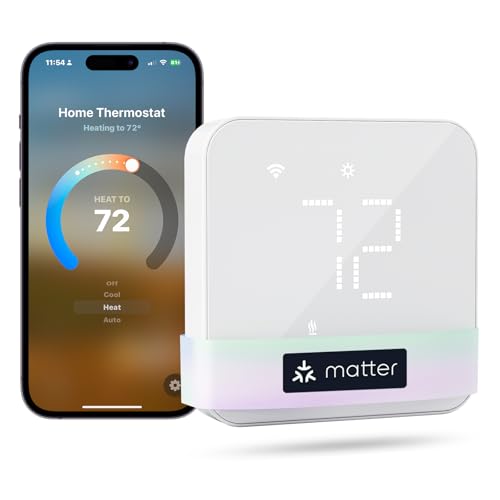
The Meross Smart Thermostat for Home connects with Matter, Apple Home, and popular voice assistants, offering 7×24 scheduling and 24/7 energy-saving opportunities. Before purchasing, verify compatibility with your HVAC system, as this model supports most conventional heating and cooling setups but not electric baseboard heaters. A C-wire is required for proper operation. It operates on 2.4GHz Wi‑Fi and provides remote control via the Meross app, with voice control through major platforms. While the device emphasizes broad compatibility, ensure your system includes a C-wire or plan for a compatible adapter. This thermostat is designed for ease of use, with a professional support line available during extended hours.
Key features to note: Matter compatibility for streamlined smart home scenes, HomeKit readiness via the Apple ecosystem, and scheduling that adapts to daily routines. This option is well-suited for homes needing reliable HomeKit integration without resorting to premium-tier pricing. Be mindful of the Wi‑Fi band limitation and required wiring when planning installation.
ecobee Smart Thermostat Essential

The ecobee Smart Thermostat Essential is an ENERGY STAR certified programmable Wi‑Fi thermostat that supports Siri, Alexa, and Google Assistant. It claims energy savings by adapting to your schedule and occupancy, aiming to reduce heating and cooling when you’re away. With compatibility for a broad range of systems (verify with ecobee’s checker), it provides a user-friendly touch experience via color touchscreen and app control. Ongoing software updates keep the device current, extending its useful life. For HomeKit users, Apple integration is delivered via Matter, keeping your automations streamlined with HomeKit scenes.
Considerations include ensuring your HVAC system is compatible and that you have a stable Wi‑Fi connection for remote access. The Essential model focuses on essential features at a compelling price point, making it a practical entry into HomeKit-enabled smart thermostats without extra bells and whistles. If you rely on more complex sensor sets, you may later upgrade to a premium ecobee model.
ecobee Smart Thermostat Enhanced
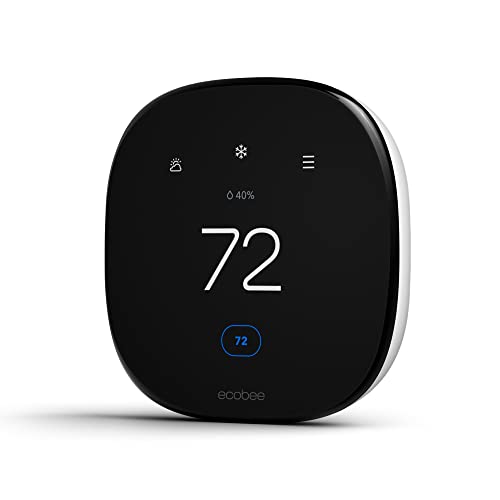
The ecobee Smart Thermostat Enhanced adds more advanced occupancy sensing and climate control features. It can automatically adjust temperature when you’re away, preheating or precooling to reach the desired comfort level on arrival. It also accounts for humidity, helping maintain a comfortable environment even in variable conditions. As with other ecobee models, it includes a vibrant display and robust app support, plus the ability to receive wireless software updates for ongoing improvements. HomeKit integration is maintained through Matter, ensuring smooth interoperability with other Apple ecosystem devices and routines.
Practical considerations include whether your home benefits from enhanced occupancy sensing and humidity-aware adjustments. The Enhanced model is well-suited for larger homes or spaces with fluctuating occupancy where precise temperature management adds noticeable comfort. For users prioritizing advanced automation and energy efficiency in a HomeKit setup, this option provides a strong balance of features and reliability.
Google Nest Learning Thermostat (4th Gen)

The Google Nest Learning Thermostat (4th Gen) is an energy-saving smart thermostat with smart learning features that adapt to your routines. It supports 24V systems and many configurations without requiring a C-wire, though compatibility should be checked via the Nest Compatibility Checker. It offers easy control through the Google Home app and supports voice control with major assistants. Matter compatibility facilitates seamless Apple HomeKit integration, enabling smoother automations with HomeKit scenes. Nest’s design emphasizes user-friendly onboarding and ongoing energy optimization to help reduce utility costs over time.
Key considerations include checking for C-wire needs and ensuring your system is compatible with Nest’s learning algorithms. While Nest emphasizes automated learning and cross-platform control, ensure your preferred voice assistant and HomeKit routines align with your home setup. Nest’s balance of simplicity and intelligence makes it a solid choice for users seeking a self-learning thermostat that plays well within a HomeKit-enabled home.
Mysa Smart Thermostat

The Mysa Smart Thermostat is tailored for high-voltage electric baseboard and line-powered heaters, offering HomeKit, Alexa, and Google Home compatibility. It supports 120–240V systems and requires at least four wires, including a neutral or second live wire. The device features a 15A/1800W (120V) or 3800W (240V) load capacity and a temperature range suitable for controlling heating extensively. Its adaptive display technology adjusts brightness intelligently, improving readability in different lighting conditions. Mysa provides remote control via its app and supports programming, timers, and temperature/humidity alerts, making it an excellent choice for electric heating setups within HomeKit ecosystems.
Before installing, confirm that your baseboard or electric heating system is compatible with high-voltage smart thermostats and that your wiring meets the four-wire requirement. Mysa’s focus on electric heat makes it a specialized option, ideal for homes with dedicated electric heating zones seeking reliable HomeKit integration. For users with mixed heating types, pairing with another thermostat may be necessary to manage non-electric zones.
Buying Guide: Key Considerations For HomeKit Thermostats
- System compatibility: Check compatibility with your HVAC type (gas, electric, heat pump, etc.) and whether a C-wire is required or optional.
- Apple HomeKit and Matter: Ensure the device supports HomeKit natively or via Matter for reliable Apple ecosystem integration.
- Energy savings features: Look for occupancy sensing, adaptive schedules, and energy reports to maximize savings.
- Installation and wiring: Assess whether DIY installation is feasible and whether professional help is recommended, especially for high-voltage systems like Mysa.
- Remote access and app experience: A responsive app and reliable cloud connectivity improve daily usability and automation reliability.
- Sensor capabilities: Some models include additional sensors (temperature, humidity, occupancy) that improve comfort and efficiency.
- Display and user experience: Consider the size and clarity of the display, as well as how intuitive the interface is for routine adjustments.
- Future-proofing: Look for devices that receive regular software updates to support new features and integrations.
- Pricing tier and value: Balance initial cost with energy savings potential and extra features like air quality sensing or premium sensors.
In summary, the best HomeKit-compatible thermostats balance seamless Apple ecosystem integration, reliable automation, and energy efficiency. Whether you prioritize a learning thermostat, an enhanced sensing experience, or a specialized solution for electric heating, there are solid options to fit varied homes and budgets. Always verify wiring requirements and system compatibility to ensure a smooth installation and optimal performance within your Apple-based smart home setup.