The best portable fish finder lineup below covers castable models and handheld units designed for kayak, boat, shore, and ice fishing. Each device offers a clear display, depth and temperature readings, and sonar capabilities to help locate fish and map bottom contours. This guide compares practical features, battery life, beam angles, and display quality to help you choose a compact, travel-friendly fish finder that fits your style and environment.
| Product | Brand | Key Benefit | Display Type |
|---|---|---|---|
| Venterior Portable Rechargeable Fish Finder | Venterior | Color display, water depth, temperature, and fish size with castable sensor | Color TFT LCD |
| LUCKY Kayak Portable Fish Depth Finder FFC1108 | LUCKY | Backlit display, adjustable sensitivity, portable handheld | Color LCD |
| Garmin Striker 4 | Garmin | Simple interface with Chirp sonar and waypoint map | Color display |
| LUCKY Portable Handheld Fish Finder MT-202 | LUCKY | Long-range wireless operation with wide beam | Horizontal LCD |
| Deeper PRO+ 2 | Deeper | Castable sonar with GPS and smart app integration | App-based display (phone/tablet) |
Note: This introductory comparison focuses on portability, ease of use, depth capabilities, and screen clarity. Prices are omitted to keep the focus on features and suitability for varied American water bodies, including lakes, rivers, coastal areas, and ice fishing scenarios.
Venterior Portable Wireless Fish Finder Review

The Venterior portable unit is designed for shore, kayak, boat, or ice fishing. It features a 105-degree sonar beam and a broad depth range from 2.6 to 164 feet (0.8 to 50 meters). The color TFT LCD display has two background colors for readability in bright sun or low light. Depth, temperature, and fish size categories (small/medium/big) are shown alongside bottom contours, giving anglers quick situational awareness. The device operates in standard and simulation modes and supports unit conversion for depth and temperature. A key benefit is the wireless, castable sensor with a maximum sensor-to-display distance of up to 262 feet (80 meters), enabling reach without hull installations. Two small holes on the sensor permit tethering to fishing line, expanding casting distance while avoiding boat hull drilling.
LUCKY Kayak Portable Fish Depth Finder FFC1108
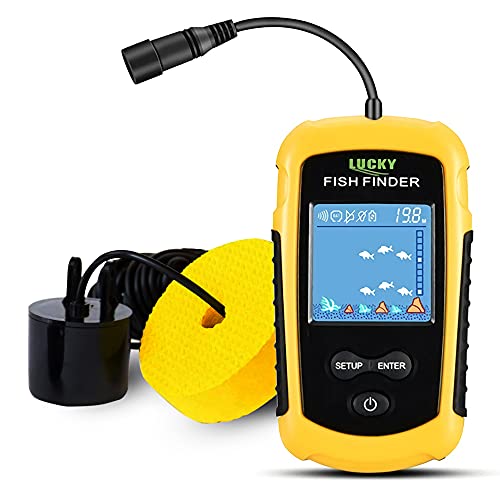
TheLUCKY handheld fish finder delivers a portable solution with a 3ft to 328ft (1m to 100m) depth range when fully immersed. It displays approximate fish locations and water depth, plus bottom details such as weeds, sand, and rocks, with adjustable units in feet or meters. A backlit display ensures readability in daylight and darkness, and a neck strap enables hands-free carrying while navigating a kayak or boat. The device supports two modes—transducer and simulation—and offers 5 sensitivity levels to adapt to clear or turbid water conditions. It is designed for easy one-handed use on moving platforms, making it a common choice for casual anglers seeking quick depth readings and fish location data.
Garmin Striker 4 Fish-Finder

Garmin Striker 4 emphasizes simplicity and ease of installation with a dedicated button layout for quick operation. It is available in multiple display sizes and includes a waypoint map for marking brush piles, stumps, and docks. The Chirp sonar provides a continuous sweep of frequencies, improving target separation and producing crisper fish arches. This model is well-suited for anglers who want a straightforward setup and clear sonar performance without complex features. The handheld or boat mounting options keep it versatile for various boat types or shore setups.
LUCKY Portable Handheld Fish Finder MT-202
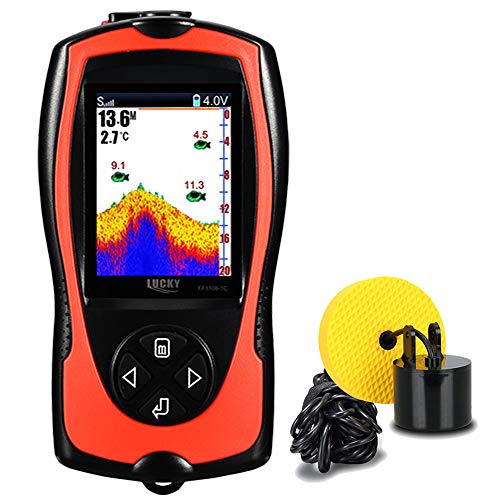
LUCKY’s MT-202 offers a robust wireless handheld experience with a long 853-foot maximum operation distance and a 90-degree beam angle spanning 3 ft to 147 ft in depth. It features a 3.5-inch horizontal LCD and a clear readout of fish depth and location relative to underwater structures. The device provides a scrollable display showing recent sonar history, helping anglers track movement and structure. A rechargeable battery and USB charging add portability for extended trips, while the backlight enhances usability in low-light conditions. This model is popular for kayak and small boat users who want a strong, wireless sonar without persistent cables.
Reelsonar Portable Fish Finder

Reelsonar emphasizes ease of use with a depth range up to 135 feet and a rechargeable battery lasting 10+ hours. It supports iOS and Android apps via Bluetooth, providing visual sonar images that display depth-tagged fish icons color-coded by size. The fish alarm feature helps alert anglers to fish activity under docks and piers, and the system includes iBobber functionality to enhance bite notifications. The combination of a straightforward handheld device and mobile app makes it a practical choice for anglers who want integration with their smart devices while fishing from various spots.
LUCKY Kayak Portable Fish Finder Transducer MW-202
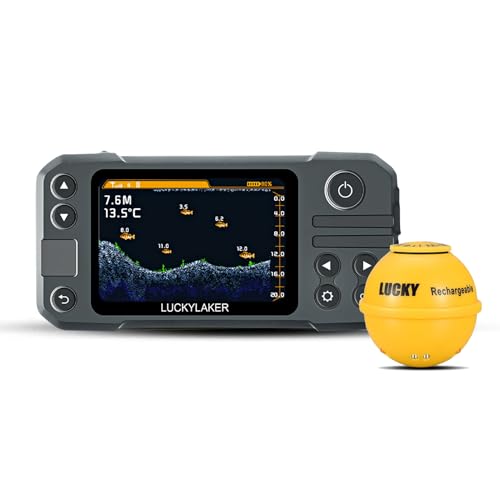
The MT-202 family from LUCKY emphasizes wireless operation with a wide 90-degree beam and a long detection depth range. This model highlights a large-screen, easy-to-read display, a robust 853-foot wireless range, and a focus on freeing anglers from tangled cables. Its 3.5-inch LCD provides concise depth and fish location data, with icons and depth numbers clearly indicating where fish are relative to your boat or kayak. The unit’s portability and ease of use make it a common pick for casual anglers who value quick setup and reliable readings.
Deeper PRO+ 2 Sonar Fish Finder
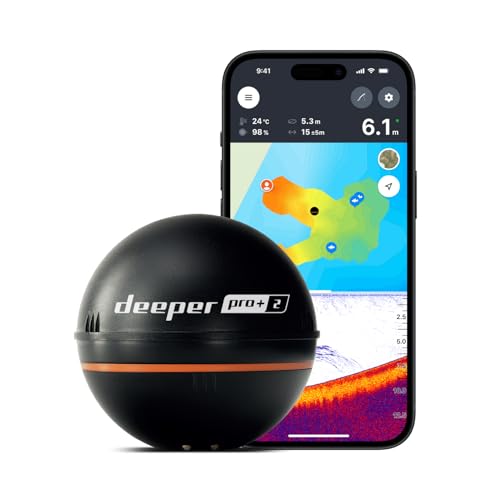
Deeper PRO+ 2 blends castable sonar with a GPS-enabled app ecosystem. It supports multiple beams for wide coverage or targeted depth readings, making it adaptable for open-water, kayak, boat, or ice fishing. The device claims up to 330 feet of depth capability and uses a Wi-Fi connection for reliable data transfer to a smartphone or tablet. Pinpoint accuracy and a high-resolution sonar display help anglers differentiate fish from structure. This option suits tech-focused anglers who want full data visualization via a mobile interface for planning spots and tracking fish movement over time.
Buying Guide: Key Purchase Considerations
- Portability vs. Power: Castable wireless units maximize portability and reduce hull modifications, while handheld wired models deliver steady reliability in varying water conditions. Choose based on how you fish most often—shore, kayak, boat, or ice.
- Display and Readability: Look for color TFT or backlit LCDs with good sunlight readability. A larger display improves readability on the move, but weight and battery draw are factors to consider.
- Depth Range and Beam Style: Wider beams cover more water and help locate fish near structure, while narrow beams offer deeper, more precise readings. Ensure the range matches your typical fishing depth.
- Bottom Contour and Structure: Models that show weeds, rocks, sand, and bottom contours provide better context for fish-holding areas. This helps with spot selection and jigging strategy.
- Battery Life and Charging: For day-long trips, prioritize units with longer battery life and easy charging options (USB, replaceable batteries). Wireless models may require periodic battery management for reliable performance.
- Compatibility and App Support: Bluetooth or Wi-Fi-enabled devices that pair with iOS/Android apps can offer deeper insights, history plots, and zoomed views of sonar returns. Consider whether you want app-driven data visualization.
- Water Type Versatility: If you fish in fresh water and saltwater, ensure the device and transducers are corrosion-resistant and rated for multispecies use. Some units offer specific modes for different water types.
When selecting a portable fish finder, align the features with your typical fishing environment, whether you’re chasing coastal species from a kayak, scouting ponds from shore, or ice fishing with a compact setup. Weight, setup time, and screen clarity all influence the day-to-day practicality of each model.