Protecting outdoor spaces like driveways, porches, and yards is easier with reliable motion sensors. This guide highlights five top options, comparing features such as detection range, sensitivity, operating modes, and ease of installation. All picks are suitable for residential settings and offer weather resistance for year-round use.
Summary of chosen products:
| Product | Brand | Key Features | Detection Range | Special Notes |
|---|---|---|---|---|
| Driveway Alarm – 1/2 Mile Long Range Wireless Driveway Alarm | HTZSAFE | Weather resistant, 1/2 mile range, 2 sensors | Up to 50 ft | Weatherproof, adjustable sensitivities |
| TREEWELL 2 Pack 240-Degree Motion Sensor | treewell | 3 modes, 5-300 Lux, up to 60 ft | Up to 60 ft | Adjustable time and detection |
| TREEWELL 240-Degree Replacement Motion Sensor | treewell | 3 modes, 5-300 Lux, up to 60 ft | Up to 60 ft | Flexible mounting, long reach |
| Driveway Alarm – 1/2 Mile Long Range Wireless | HTZSAFE | Weather resistant, 1/2 mile range, 2 channels | Up to 50 ft | Dual sensor setup |
| TREEWELL Motion Sensor, 180-Degree | treewell | 3 modes, 60 ft range, rotatable head | Up to 60 ft | Wide aiming flexibility |
Driveway Alarm With Long Range Wireless Sensor

The HTZSAFE Driveway Alarm provides a weather-resistant motion sensor paired with a plug-in receiver, suitable for outdoor and indoor monitoring. It supports up to a 1/2 mile wireless transmission range and features dual sensors for broader coverage. The system operates in temperatures from -30 to 150 degrees Fahrenheit and includes two adjustable sensitivities to reduce false alarms from wind, leaves, or small animals. Ideal for driveways, gates, pools, and perimeters around homes or small businesses.
TREEWELL 2 Pack 240-Degree Sensor With Broad Coverage

This TREEWELL set includes two 240-degree motion sensors with adjustable lux (5-300) and timing. It offers three working modes: Auto, DTD (night-only), and Manual Override. Detection reaches up to 60 feet, and the sensitivity and timer controls allow precise customization for entrances, garages, and pathways. Suitable for outdoor floodlights and security lighting, with flexible mounting options to suit different wall heights and eave placements.
TREEWELL 240-Degree Replacement Motion Sensor (Brown)

Another TREEWELL option provides a 240-degree field with adjustable lux and a three-mode operation. With a 60-foot detection range and a rotatable sensor neck, this model is designed for easy aiming at porches, driveways, and entryways. The Auto, DTD, and Manual Override modes enable energy-efficient lighting schedules while maintaining security during dark hours.
Driveway Alarm 1/2 Mile Wireless Outdoor Sensor System
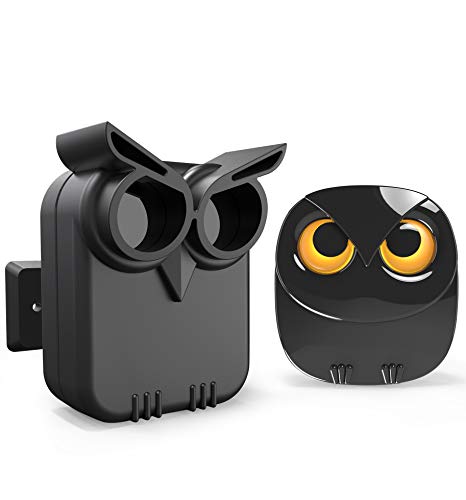
This HTZSAFE system mirrors the reliability of a weather-resistant design with a 1/2 mile transmission range and two adjustable sensitivities. It is especially suited for monitoring driveways, front porches, gates, pools, garages, and yards. The sensor detects movement from 35 to 50 feet away, helping to minimize false alerts caused by environmental factors while providing a dependable alert system for larger properties.
Driveway Alarm Wireless Outside System (1 Receiver, 2 Sensors)

The 1BYONE wireless driveway alarm provides long-range sensing up to 1000 feet from sensors to the receiver, making it well-suited for larger properties. It supports three alert options (Sound, LED Flash, or both) to notify occupants, deter intruders, or indicate access to restricted areas. The system covers driveways, porches, gates, and other outdoor spaces, combining range with configurable alert behavior for multi-entry monitoring.
Buying Guide: How to Choose the Right Outdoor Motion Sensor
Key considerations help ensure you pick the best fit for your property and needs:
- Detection range and coverage: Choose sensors with adequate reach for driveways, yards, or perimeters. Consider whether you need 180°, 240°, or 360° coverage and whether a rotatable head is beneficial.
- Modes and scheduling: Look for Auto, Night-Only (DTD), and Manual Override modes. A flexible timer or lux control lets you tailor lighting and alerts to ambient conditions and security goals.
- Sensitivity and false alarms: Adjustable sensitivity helps reduce false alarms from wind, leaves, or small animals. Dual-sensor or higher-quality chips improve accuracy.
- Weather resistance and temperature range: For outdoor use, ensure the unit handles temperature extremes and moisture. Check IP ratings or weatherproof labels if available.
- Power and installation: Decide between battery-powered, solar, or wired options. Consider mounting options, ease of installation, and the availability of replacement parts.
- Connectivity and range: A longer wireless range improves coverage on larger properties. Ensure compatibility with existing hubs or receivers if you use multiple systems.
- Alerts and integration: Evaluate alert types (sound, LED, chimes) and whether the system integrates with other security devices or smart home ecosystems.
Selecting multiple sensors can provide robust coverage for large properties. When comparing models, prioritize weather resistance, adjustable timing and lux settings, and the ability to customize sensitivity to balance security with convenience. For driveways and entry points, a longer range and reliable false-alarm reduction are particularly valuable.