Exploring film photography with a modern lens of simplicity and reliability? This guide highlights five standout options that pair classic physics with today’s accessibility. Whether you’re chasing sharp portraits, nostalgic grain, or carefree fun, these cameras cover manual control, reliable metering, and lightweight ergonomics. Each pick is linked to its Amazon listing for quick reference and comparison.
| Brand | Model | Notable Feature |
|---|---|---|
| Canon | New EOS Kiss / Rebel G | Autofocus with wide-area AF |
| Pentax | K1000 | Fully mechanical with simple controls |
| KODAK | EKTAR H35 | Half-frame, double the shots per roll |
| Pentax | 17 35mm Film Camera | Vertical half-frame with zone focus |
| Canon | AE-1 | TTL metering and FD lens compatibility |
Canon New EOS Kiss / Rebel G: Autofocus Film SLR

The Canon Rebel G, marketed as New EOS Kiss in Japan, combines user-friendly handling with reliable autofocus for a film SLR experience that remains approachable for new shooters. Highlights include a responsive autofocus system with a broad AF area and a clear LCD interface that streamlines exposure and shooting preferences. Compatible with Canon’s EF lens ecosystem, this model supports a versatile shooting range from portraits to landscapes.
Pentax K1000 Manual Focus SLR

The Pentax K1000 remains a landmark among beginner-friendly film cameras. Entirely mechanical, it operates without a battery for metering, though you’ll need an A76 for the light meter. Its design emphasizes three core controls—aperture, shutter speed, and focus—making it an ideal entry point for learning exposure and composition with minimal distractions.
KODAK EKTAR H35 Half Frame

The KODAK EKTAR H35 is designed for compact, lightweight operation with a built-in flash and easy handling. Its half-frame design effectively doubles the number of exposures per roll, making it a practical option for travelers and casual shooters who want more frames without changing film frequently. The user-friendly interface supports day and night shooting with a simple flash adjustment.
Pentax 17 35mm Film Camera (Vertical Half-Frame)

This compact film camera captures two 17mm x 24mm images within a single 35mm frame, effectively doubling the number of photos per roll. Its magnesium alloy top and bottom covers convey rugged lightness, while a zone-focus system guides you to the correct focus with six distance zones, balancing simplicity and control for varied subjects.
Canon AE-1 35mm SLR with 50mm f/1.8

The Canon AE-1 is a landmark model that blends shutter speed versatility with a reliable TTL metering system for accurate exposures. Its compatibility with Canon FD lenses expands creative options from wide-angle to telephoto. The renewed unit offers a near-seamless bridge between classic film handling and modern usability, with a range of shutter speeds from 1/1000 to 2 seconds plus Bulb for long exposures.
Canon EOS Rebel X: Autofocus 35mm SLR

The Rebel X combines versatility for both color and black-and-white film with advanced autofocus and flexible shutter settings. It supports One-Shot and AI Servo modes for varying subjects and offers both manual and automatic shutter control, delivering creative control with simplified operation for enthusiasts transitioning from digital to film.
Nikon EM 35mm SLR with 50mm f/1.8
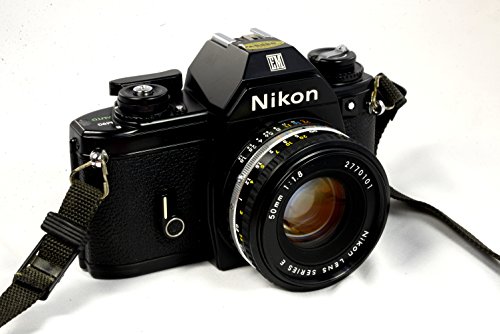
The Nikon EM is a classic compact SLR built for beginners and enthusiasts. Its included 50mm f/1.8 AI manual focus lens offers versatile subject coverage from portraits to landscapes. Manual focus provides precise depth-of-field control, while the camera’s timeless design and accessible form factor continue to appeal to analog lovers.
Buying Guide: Key Considerations for Selecting a New Film Camera
- Film format compatibility: Most options are 35mm, with some half-frame variants maximizing exposures per roll. Consider how often you shoot and the film stock you prefer.
- Exposure control: Look for cameras with manual and/or auto exposure modes. TTL metering and aperture/shutter controls influence how easily you achieve correct exposure in varying light.
- Lens ecosystem: Brand-specific lens availability matters for long-term versatility. Canon and Pentax offer broad lines of FD/EF or K-mount lenses, respectively.
- Ease of use vs. learning curve: Mechanical cameras like the K1000 emphasize simplicity, while models with integrated metering and autofocus add convenience but may introduce complexity.
- Build and ergonomics: Magnesium alloy or solid-body designs improve durability and handling, especially for outdoor photography.
- Maintenance needs: Older mechanical bodies may require service, battery compatibility, or meter calibration. Renewed or refurbished units can reduce risk while preserving function.
- Availability of accessories: Ensure compatible flashes, light meters, and manuals are accessible to support ongoing use.
- Budget and longevity: Start with a camera that aligns with your intended subjects—portraits, landscapes, or street photography—while considering future needs.
These considerations help compare the five models above across autofocus vs. manual focus, metering reliability, and lens versatility, yielding a balanced view of selection criteria for film photography enthusiasts.