The Sony A7III is a capable hybrid camera that rewards fast, reliable memory cards. This guide highlights top memory cards that maximize buffer clearing, 4K/8K-ready video, and overall reliability for Sony’s popular mirrorless body. The selections focus on sustained speeds, durability, and compatibility to help you shoot with confidence in demanding situations.
| Product | Capacity / Type | Key Strength |
|---|---|---|
| SanDisk 128GB Extreme PRO SDXC UHS-I | SDXC UHS-I | Up to 200 MB/s read; robust 4K readiness |
| Sony TOUGH-G Series SDXC UHS-II | SDXC UHS-II | Highest bend strength; 300 MB/s read, 299 MB/s write |
| Sony TOUGH-M Series SDXC UHS-II | SDXC UHS-II | IPX8 waterproof, IP6X dustproof; 277 MB/s read |
| SanDisk 128GB Extreme PRO SDXC UHS-II | SDXC UHS-II | 260 MB/s write; V90 for cinema-quality video |
| Lexar 256GB Professional Silver SD Card | SDXC UHS-I | Up to 205 MB/s read, 140 MB/s write; V30 for 4K |
The five selections below are tailored for the Sony A7III’s performance envelope, balancing read/write speeds, robust build quality, and cost-effective capacity for varied shooting scenarios—from fast-burst stills to lengthy 4K video. Each product section includes an official product link, image, and essential features to help you compare at a glance.
SanDisk 128GB Extreme PRO SDXC UHS-I
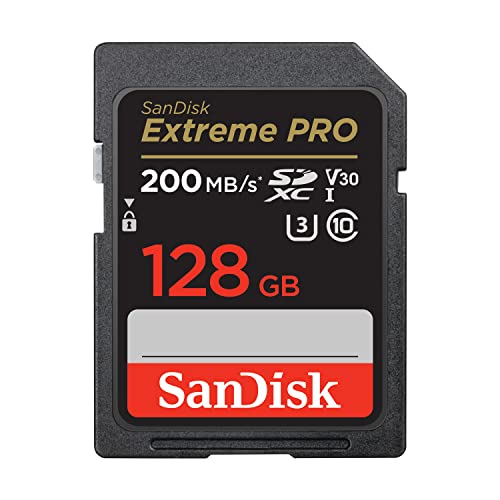
Capacity and speed align with professional shoots that require rapid offload and reliable performance. The card supports up to 200 MB/s read speeds via SanDisk QuickFlow Technology, enabling quick transfers from the camera to storage. It is designed to pair with compatible devices and optional readers to maximize throughput. Typical write speeds are strong for standard 4K workflows, with practical performance influenced by host hardware and conditions. The card notes compatibility with the SanDisk Professional PRO-READER for maximum throughput, making it a versatile choice for Sony A7III users who value fast file handling.
Sony TOUGH-G Series SDXC UHS-II Card 128GB

Renowned for durability, the TOUGH-G line combines one-piece molded construction with high-hardness materials to deliver exceptional bend strength—an important consideration for on-location use. It supports up to 300 MB/s transfer speeds and up to 299 MB/s write speeds, making it suitable for fast continuous shooting and high-bitrate 4K video. It’s UHS-II Class 10 and U3 compliant, and designed to operate across a wide temperature range, which can be beneficial in varied environments when pairing with the Sony A7III.
Sony TOUGH-M Series SDXC UHS-II Card 128GB

This card emphasizes ruggedness with water resistance (IPX8) and dust resistance (IP6X), designed to withstand challenging environments. Read speeds up to 277 MB/s and write speeds up to 150 MB/s support smooth 4K recording and rapid file transfers. The rugged design is paired with UHS-II performance, providing a strong option for Sony A7III shooters who need reliability in adverse conditions without sacrificing speed.
SanDisk 128GB Extreme PRO SDXC UHS-II

Geared toward professional photographers and videographers, this card delivers sustained write speeds for continuous bursts and cinema-quality video. It supports V90-class performance and UHS Speed Class 3 (U3) for reliable 8K/4K capture and high-end video work. While compatibility depends on the camera and reader, the card is built to maintain performance under demanding workloads typical for Sony A7III users who shoot high-frame-rate bursts or long takes in 4K.
Lexar 256GB Professional Silver SD Card

This Lexar option focuses on a balance of speed and capacity. It offers up to 205 MB/s read and 140 MB/s write speeds, with a V30 rating to support 4K video recording. The 256GB capacity is helpful for longer shoots or higher-resolution files, providing a practical solution for Sony A7III users who need to maximize storage space while maintaining solid performance.
Buying Guide: What To Consider When Choosing A Memory Card For Sony A7III
- Speed class and performance: For the A7III, prioritize UHS-I or UHS-II cards with high read/write speeds. U3 and V30/V90 ratings indicate sustained performance for 4K video and continuous shooting. If you plan 8K or high-bitrate work, UHS-II or V90 cards offer the best headroom.
- Capacity needs: Balance budget and usage. 128GB is common for 4K workflows, while 256GB and larger provide more working space for long shoots or extended 4K clips without swapping cards.
- Durability: On-location shoots may benefit from water, dust, and bend resistance. Sony’s TOUGH series and rugged third-party options help protect data in harsher environments.
- Reader compatibility: Some workflows benefit from high-speed readers (like PRO-READER or USB-C readers). Ensure your reader and computer support the card’s maximum speeds to avoid bottlenecks.
- Reliability and firmware: Reputable brands with consistent firmware updates help protect data integrity and compatibility with Sony bodies and editing workflows.
- Use case alignment: For stills-heavy use, prioritize fast write speeds to minimize buffer clearing. For video, ensure sustained write speeds (V30 or higher) to prevent frame drops and buffering, especially with 4K or higher resolutions.