Choosing the right keyboard is essential for developing piano skills, whether you’re starting from scratch or brushing up on technique. The following selections focus on beginner-friendly keyboards and learning aids that enhance practice sessions, portability, and overall musical growth. From 37-key travel keyboards to full 88-key learning consoles, these options cover a range of budgets and features to help aspiring pianists build confidence and speed on the keys.
| Product | Key Range | Notable Feature |
|---|---|---|
| Alesis Melody 61 MK4 | 61 keys | Includes lessons, sheet stand, and online lesson access |
| RockJam 49 Key USB Keyboard | 49 keys | 200 tones, 200 rhythms, 50 demos, practice-friendly audio |
| M SANMERSEN 37 Keys | 37 keys | LED display, built-in rhythms, rechargeable battery |
| POGOLAB 49 Key Roll Up Keyboard | 49 keys | Roll-up, rechargeable, 8 tones and 6 demo songs |
| MARVTOWN 49Key Roll Up Digital Keyboard | 49 keys | Flexible silicone piano with 8 tones and 6 demos |
The following sections highlight each product with key features, usability notes, and how they support practice routines for beginners and kids learning piano at home or in class.
Alesis Melody 61 MK4: beginner-friendly with built-in lessons
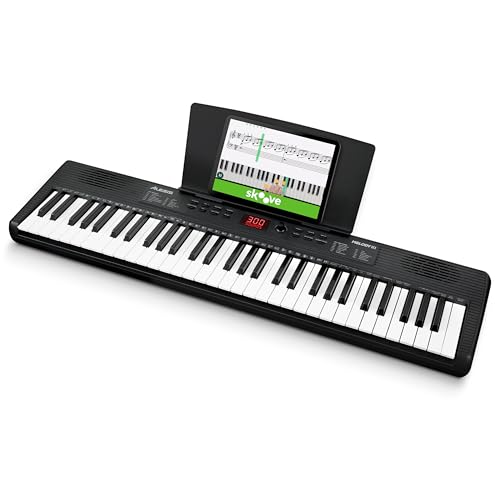
The Alesis Melody 61 MK4 offers a compact, beginner-oriented keyboard with 61 keys, ideal for new players building finger strength. It provides a large sound library, including 300 sounds and 300 accompaniment rhythms, plus 30 demo songs to practice with. An included full-back sheet music/tablet stand, power adapter, and access to online lessons from Skoove and Melodics make it a comprehensive starter package. The built-in features support a structured practice routine, from scales to simple accompaniments, without needing additional gear.
RockJam 49 Key USB Keyboard: compact practice workstation

The RockJam 49 Key USB Keyboard is designed for beginners who want a compact option without sacrificing features. It packs 200 tones and 200 rhythms, plus 50 demos and a two-channel playback/record feature, enabling students to hear progress as they practice. The built-in stereo speakers deliver clear sound for practicing with accompaniment, while a headphone jack supports quiet practice. This combination supports progressive learning, from basic finger placement to more advanced rhythm patterns and layering exercises.
M SANMERSEN 37 Keys: portable learning with LED display

This 37-key keyboard focuses on portability without sacrificing essential features. It includes 200 rhythms, 200 tones, 50 demos, and a double loudspeaker setup, plus an LED screen for clear status display. The built-in recording and playback functions help learners review their progress, and the rechargeable battery enables practice away from outlets, making it ideal for travel or classroom transitions between lessons.
POGOLAB 49 Key Roll Up Keyboard: portable roll-up practice

The POGOLAB roll-up keyboard is a flexible option for practice on the go. With 49 silicone keys, it’s portable and easy to roll up for storage. It offers 8 tones and 6 educational demo songs, along with a built-in speaker and adjustable volume. Note that it lacks MIDI functionality, but its portability and quick setup make it a practical choice for beginners seeking a lightweight practice tool or travel-friendly learning aid.
MARVTOWN 49Key Roll Up Digital Keyboard: flexible practice partner
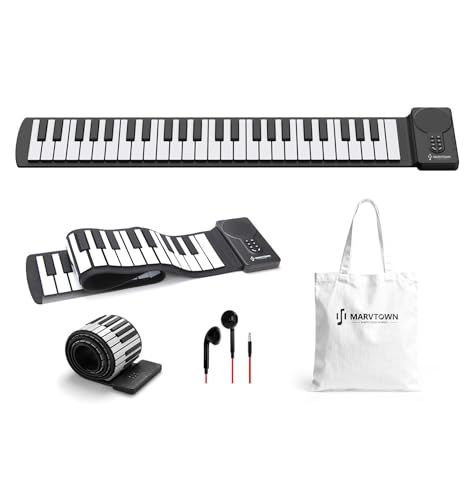
The MARVTOWN roll-up digital keyboard provides a flexible learning platform with 49 silicone keys, 8 tones, and 6 demo songs. Its silicone surface is easy to wipe clean and waterproof, making it resilient for everyday practice. The device includes rechargeable power and playback features that support independent study, with the portability ideal for practicing anywhere, from living rooms to classrooms or travel.
Buying Guide: Key Purchase Considerations
- Number of keys: Beginners often start with 37–61 keys for portability and ease, then upgrade to 88 keys as technique improves. Decide whether you need a full keyboard or a compact learning tool.
- Power options: Rechargeable batteries enable practice away from outlets, while AC adapters ensure continuous power for longer sessions.
- Learning aids: Look for built-in lessons, demo songs, and sheet/stand compatibility to support structured practice.
- Sound library and rhythms: A broad selection of tones and rhythms helps learners explore expression and accompaniment in different styles.
- Portability: Roll-up or lightweight designs are ideal for travel, small spaces, and shared learning environments.
- Connectivity: USB/MIDI options can pair with learning apps or computer software for expanded lessons, but may not be essential for all beginners.
- Durability and cleaning: Waterproof surfaces and easy-to-clean materials reduce maintenance concerns for kids and frequent travelers.
These considerations help compare options for home practice, classroom use, or travel. For beginners, prioritize ease of use, engaging learning features, and portability. For more advanced practice, consider keyboards with broader key ranges, richer sound libraries, and external connectivity to expand learning possibilities.