Finding the right graphing calculator can impact study flow, test readiness, and problem-solving speed. This article highlights five reliable options commonly used in high school and early college courses. Each choice balances graphing power, ease of use, and exam compatibility. The comparison helps students compare features like graphing capabilities, notetaking options, and display quality, all without overwhelming budget considerations.
| Product | Brand | Key Feature | Display Type |
|---|---|---|---|
| Texas Instruments TI-84 Plus CE Color Graphing Calculator | Texas Instruments | Color display, rechargeable battery, multiple zoom features | Backlit LED |
| CATIGA CS-121 Scientific Calculator with Graphic Function | CATIGA | Over 360 functions, graphing and algebra in one device | Graphic display |
| TOVO TS-259 Pink Graphing Calculator | CATIGA | 360+ functions, multiple modes | Graphic display |
| Nadex Black Scientific Calculator with Graphing | Nadex | Complex functions, three operating modes | Graphing capable display |
| Franklin Graphing Calculator with 3 Modes | Franklin | Integrated graphing, algebra tools | Graphing display |
Each section below provides a concise overview of a top pick, including design, function breadth, and typical classroom use. Throughout, features from the product listings are summarized to help with direct comparison. The buying guide at the end covers what to weigh when selecting a device for high school coursework and standardized testing.
Texas Instruments TI-84 Plus CE Color Graphing Calculator
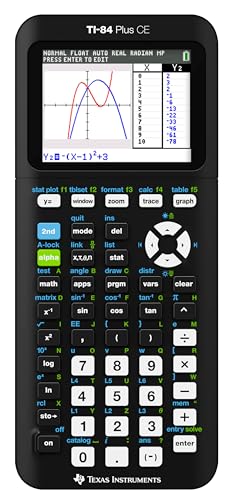
The TI-84 Plus CE is a color graphing calculator designed for students who need robust graphing capabilities with a user-friendly interface. It features a high-resolution, full-color backlit display, enabling clear graphing of functions and equations. The device supports horizontal and vertical split-screen views for multitasking during problem solving. A rechargeable battery reduces ongoing accessory costs, and preloaded apps and images expand its usability beyond core math. Its lightweight build and long battery life make it suitable for daily classroom use and standardized tests that permit graphing calculators.
Key considerations: TI’s ecosystem and widely taught key presses can shorten the learning curve for students switching to graphing calculators in algebra II, precalculus, and calculus. The color screen improves graph differentiation, though it may require more screen real estate than basic scientific calculators. The 14 interactive zoom features aid in exploring function behavior across domains, which is helpful for exploring limits, derivatives, and inverse functions. This model is a solid choice for schools that prioritize reliability and broad compatibility with course curricula.
CATIGA CS-121 Scientific Calculator With Graphic Functions

The CATIGA CS-121 is designed as an all-in-one scientific and graphing tool, suitable for algebra, calculus, and exam preparation. It supports plotting functions and analyzing graphs while displaying formulas and graphs side by side for clear visualization. The compact 7 x 3.3-inch design aims at ergonomic handling, making it practical for long study sessions or test environments. With more than 360 functions, users gain access to fractions, complex numbers, statistics, linear regression, standard deviation, and variable solving. Its multi-mode capability supports flexible use across math disciplines.
Key considerations: For students who want a single device that blends graphing with broad scientific capabilities, this model provides depth without excessive bulk. The combination of graphing and algebra tools helps in topics from geometry to trig. Users should verify test compatibility for their school district, as some tests require specific models or function sets. The ergonomic form factor helps maintain focus during extended problem-solving tasks.
TOVO TS-259 Pink Graphing Calculator

The TOVO TS-259 Pink model from CATIGA emphasizes graphing alongside multiple modes and a design that supports sustained study sessions. It offers over 360 functions, including plotting, statistics, and algebraic solving, making it adaptable from algebra through calculus. Its ergonomic dimensions match the CS-121, contributing to comfortable daily use. The pink color option can be a personal preference or classroom assignment choice, while the device’s display and button layout facilitate efficient input and navigation during lessons and exams.
Key considerations: Students prioritizing a broad function set and graphing ability will appreciate the depth here. With more than 360 functions, the calculator can handle complex equations and data analysis tasks. However, users should confirm that the specific exam they plan to take allows its use. Ergonomics and a compact form factor help with long sessions, but newer students may need time to learn the layout and key sequences for graphing and solving equations.
Nadex Scientific Calculator With Graphing Functions

The Nadex graphing calculator is positioned as a versatile option for high school and college students tackling advanced math, statistics, and physics. It includes over 360 functions, including complex numbers, fractions, linear regression, standard deviation, permutations, and variable solving. The device supports three operating modes: Calculation, Angular Measurement, and Display, which enhances flexibility for diverse coursework. It is especially suitable for AP coursework and standardized exams requiring graphing capabilities within a compact, student-friendly interface.
Key considerations: Nadex’s emphasis on 360+ functions supports a wide spectrum of topics, from algebra to calculus and data analysis. The three-mode approach helps separate calculation from measurement and display, which can reduce confusion during problem solving. Prospective buyers should verify exam policy for their district or test center, as some tests restrict certain models. Durability and battery life are practical factors for daily classroom use.
Nadex Scientific Calculator With Graphing (Black)

This Nadex model emphasizes graphing alongside a broad suite of functions, making it suitable for high school and college math. It reiterates the three-operating modes—Calculation, Angular Measurement, and Display—offering flexibility for various math courses, from geometry and trigonometry to statistics and calculus. Its user-friendly design and emphasis on graphing facilitate a visual approach to solving complex problems, helping students interpret functions and relationships more clearly in coursework and exams.
Key considerations: The Nadex lineup provides depth in mathematics with a focus on graphing capabilities. Students who benefit from seeing graphs alongside equations will find this device helpful. Test compatibility remains a consideration; confirm that your exam allows this model. Ergonomics, screen readability, and button layout should be evaluated by students spending long periods on problem sets.
Buying Guide: Key Purchase Considerations
- Purpose and course alignment: Match the calculator’s function set with courses like algebra, geometry, pre-calculus, and calculus. A device with 360+ functions and robust graphing is typically overkill for basic courses, but very helpful for advanced topics.
- Graphing capabilities and display: A color or high-contrast display assists in differentiating functions, especially when graphs overlap. Consider screen size and backlighting for classroom lighting conditions and test environments.
- Battery and power: Rechargeable batteries reduce ongoing costs and maintenance. Check battery life and whether a USB charging option is available for convenience.
- Exam compatibility: Some tests require specific models or features. Verify school or test center policies before purchasing to avoid incompatibility on exam days.
- Ergonomics and durability: A compact, lightweight form factor with responsive buttons helps during long study sessions and timed tests. Consider a protective case for transport.
- Learning curve and support: Devices with widely used key sequences across curricula reduce the time needed to learn the device. Availability of online tutorials and community support can be beneficial for ongoing learning.
- Price-to-value balance: Compare total cost against the breadth of functions, ease of use, and long-term usefulness across multiple math subjects and study needs.
Overall, choosing a graphing calculator depends on the student’s coursework, test requirements, and personal preferences for display and ergonomics. The TI-84 Plus CE excels in reliability and school compatibility, while CATIGA and Nadex models offer broad graphing and function sets at competitive prices. For learners who want an all-in-one device that blends scientific and graphing capabilities, either CATIGA CS-121 or Nadex options provide a strong balance of depth and usability. When in doubt, consult teachers or school resources for model recommendations aligned with the current curriculum.