Shoppers seeking a large 75-inch TV with high refresh rates will want models that balance color, motion clarity, and smart features. This guide highlights 75-inch TVs capable of high refresh performance, ideal for fast-paced games and fluid sports viewing. Each option below includes a quick snapshot of features and security, plus a buying guide to help compare panel tech, motion handling, and ecosystem compatibility.
Summary of selected products:
| Product | Brand | Key Feature | Typical Use |
|---|---|---|---|
| Samsung 75-Inch QLED Q7F Series | Samsung | AI picture quality, Quantum HDR | Movie/Gaming |
| TCL 75 Inch T7 Series | TCL | 120Hz-144Hz, Google TV | Gaming/Streaming |
| Samsung 75-Inch Q8F | Samsung | Q4 AI Processor, 100% Color Volume | Cinema/Gaming |
| VIZIO 75-Inch Quantum Pro | VIZIO | 120Hz, 1,000 nits brightness | Sports/Gaming |
| TCL QM6K 75-Inch | TCL | QD-MINI LED, 120-144Hz | Gaming/Entertainment |
Samsung 75-Inch QLED Q7F Series

This 75-inch Samsung QLED model centers on quantum dot color to deliver vivid, lifelike visuals. It emphasizes AI-driven picture and sound tuning to enhance content types—from cinematic films to sports and games. The QLED panel supports a wide color spectrum with billions of colors for brighter scenes without losing nuance in shadows. Built-in security features protect sensitive data while keeping connected devices secure, which is important for smart home integration and streaming confidentiality.
Key features include AI-boosted color and audio quality that adapts to the viewing material, Quantum HDR for richer highlights, and Samsung Knox Security to defend against risky apps and phishing sites. The TV is designed to pair well with home theater setups and compatible game consoles, offering a refined balance of color accuracy and immersive sound for both entertainment and gaming sessions.
TCL 75 Inch Class T7 Series
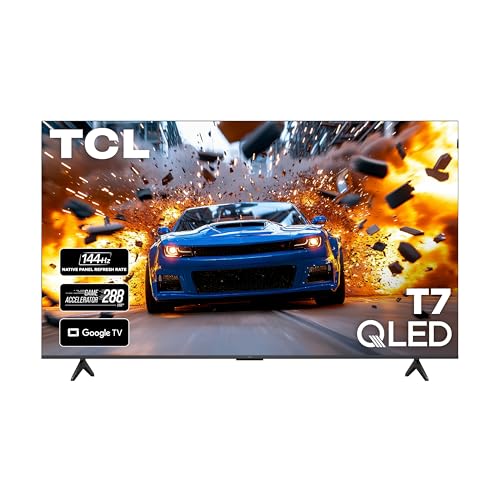
The TCL T7 Series provides 4K clarity with Quantum Dot technology and a high refresh potential in the 120Hz–144Hz range, aiming to deliver smooth motion for fast action and gaming. The TV’s QLED-like color depth helps images feel more dynamic, while maintaining brightness and contrast. Google TV integration ensures access to apps and streaming services, complemented by smart features that support voice controls and easy navigation during long viewing sessions. This model is positioned as a versatile option for both gaming and family entertainment.
Samsung 75-Inch QLED Q8F 4K UHD Smart TV

Samsung’s Q8F model emphasizes a 4K experience with QLED color volume and a capable AI processor for color and scene optimization. It supports a broad color spectrum and smart features that simplify content discovery, with a design focus on a slim profile that blends into most living spaces. Security features help protect personal data and connected devices, while the TV’s processing aims to preserve detail in a range of content—from streaming to gaming. The overall appeal lies in high color fidelity and a refined, elegant aesthetic.
TCL QM6K 75-Inch Mini LED QLED Series

The QM6K combines Mini LED backlighting with Quantum Dot color for bright, vibrant images and strong contrast. It supports a high refresh rate in the 120Hz–144Hz range, which helps minimize motion blur in fast-action scenes and gaming. TCL’s Halo Control System enhances shadow detail and reduces blooming, contributing to deeper blacks and more precise brightness control. The TV is designed to be a capable all-arounder for sports, games, and streaming, with a focus on delivering bold color and smooth motion at a competitive price point.
TCL 75-Inch Class S5 Ultra 4K Fire TV

The S5 series focuses on a bright, 4K picture with HDR support and enhanced color profiles for vibrant visuals. It integrates Fire TV for straightforward streaming and Alexa voice control, making it convenient for quick navigation and app access. While not all models emphasize the highest refresh rates, this option remains attractive for households seeking a large screen with smart features and reliable performance for casual gaming and entertainment.
Buying Guide: 75-Inch TVs With High Refresh Rates
- Refresh rate and motion handling: Look for 120Hz–144Hz panel specifications for smoother gameplay and reduced motion blur in fast-action content. Verify whether the 120Hz is native or achieved via frame interpolation, and consider your sensitivity to motion processing artifacts.
- Panel technology and color: Quantum Dot or QLED panels deliver broad color gamut and higher peak brightness, aiding in HDR performance. For dark-room viewing, contrast performance and local dimming (where available) improve depth in dark scenes.
- Processing and upscaling: AI processors and dedicated picture improvements help upconvert non-4K content with better edge clarity and color accuracy. Assess how well upscaling handles sports, streaming, and legacy content.
- Smart platform and ecosystem: Google TV, Fire TV, and Samsung’s Smart Hub offer app availability and voice control. Ensure compatibility with your preferred streaming services and smart speakers for seamless control.
- Design and integration: A slim profile and mounting options support clean wall setups. Consider cable management and speaker compatibility if you’re upgrading a home theater system.
- Security and privacy: Look for protection features that safeguard data and connected devices, especially if you plan to use smart TV apps and IoT integrations.
- Gaming features: For console gaming, check input lag, VRR support, and game mode efficacy. Some models emphasize faster response times and gaming hubs for a smoother experience.
- Audio considerations: While many 75-inch TVs offer decent integrated sound, external soundbars or a home theater system can significantly improve immersion, especially for movies and gaming.
These options provide a mix of brightness, color depth, and motion performance. When choosing a model, align the display technology with your room lighting, media preferences, and gaming needs. If you frequently stream, ensure app availability and voice control ease. For gaming, prioritize higher refresh rates and low input lag to maximize on-screen responsiveness.