Discover top wireless headset microphone systems designed to deliver clear, reliable sound for live performances, conferences, classrooms, and worship spaces. This guide highlights five strong options, comparing range, channel availability, battery life, and compatibility to help you choose a system that fits your venue and budget. Each entry includes a quick snapshot of features to help you decide at a glance.
| Product | Brand | Max Range | Key Strength |
|---|---|---|---|
| Bietrun Wireless Headset System | Bietrun | 160 ft | 2-in-1 headset/handheld, easy pairing |
| Phenyx Pro Single Digital System | Phenyx Pro | 160–200 ft | 15 UHF channels, auto frequency tune |
| TONOR 4-Channel UHF System | TONOR | 60–200 ft | 4 mics, 10 channels each, versatile inputs |
| MICVISTA 2-People System | MICVISTA | 160 ft | Two mics, easy two-person operation |
| Shure BLX14/P31 System | Shure | 300 ft | Brand reliability, long-range UHF |
Bietrun Wireless Headset System
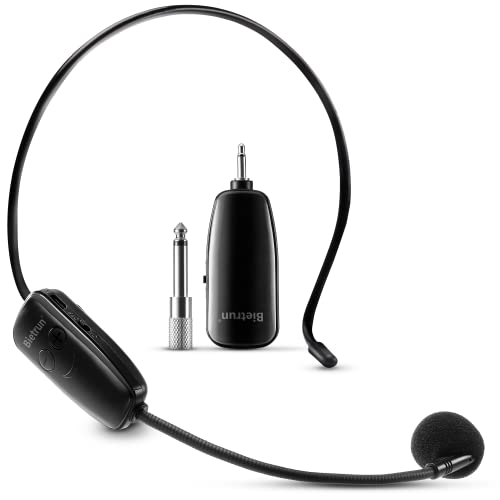
The Bietrun wireless microphone headset system supports a 160-foot (50m) transmission distance, enabling performers to move freely without sacrificing sound quality. It features a built-in high-sensitivity condenser microphone and a 3.5mm receiver output with an included 6.35mm adapter for compatibility with amplifiers and PA systems. The package emphasizes stable signal transmission, anti-howling, and anti-jamming performance, making it suitable for venues like schools, churches, and small stages. The headset can switch to handheld mode, offering flexibility for different performances. Battery life runs roughly six hours on a full charge, with USB charging for both transmitter and receiver. Note that the system is designed for mic jack use and does not support AUX or iOS devices.
Phenyx Pro Single Digital Wireless System

This system is built for live performance with 48kHz/24Bit digital UHF transmission and 15 tunable frequencies in the 902–928MHz band, reducing spectrum congestion. The compact receiver and bodypack transmitter deliver long battery life—approximately 1500mAh for the receiver and 550mAh for the bodypack—via USB-C charging. A one-tap frequency selection and transmitter mute function streamline setup and performance. Expect range in the 160–200 feet category with line-of-sight. The kit includes a headset or lapel mic option, and the receiver features a 1/4-inch output for direct connection to many amplifiers and mixing consoles.
TONOR 4-Channel UHF System

TONOR’s system provides a robust 60–200 feet operating range with four handheld mics and a bodypack transmitter, delivering up to 40 simultaneous sets in dynamic environments. Each channel offers 10 available frequencies to minimize interference. The system is designed for versatility across venues such as churches, conferences, and classrooms. A standard 1/4-inch output enables straightforward connections to mixers, powered speakers, or karaoke machines. The cardioid dynamic capsule helps reduce background noise and feedback, supporting clear live vocal performance.
MICVISTA Wireless System For Two

This MICVISTA setup is designed for two simultaneous users with two mics and two transmitters. It supports up to 160 feet (50 meters) of stable range in open areas and offers compatibility with 1/8-inch and 1/4-inch jacks to fit a wide range of PA systems. The system is easy to pair with lights indicating successful connection, and the built-in rechargeable batteries deliver hours of operation. The package emphasizes plug-and-play operation, suitable for teaching, guided tours, and fitness instruction where two speakers are needed.
Shure BLX14/P31 Wireless System

Shure’s BLX14/P31 system sets a high standard with a 300-foot (100m) range and professional audio quality. The H10 band configuration provides solid, interference-resistant operation in various environments. Included PGA31 headset mic, a bodypack transmitter, and a single-channel receiver offer reliable performance for bands, churches, and schools seeking dependable, long-range wireless capability. Frequency band selection is recommended to match regional usage, as with many professional-grade wireless outfits.
Buying Guide: Key Purchase Considerations
- Range and environment: If you perform in large spaces or outdoors, prioritize systems with longer ranges and reliable line-of-sight transmission. Systems like Shure BLX14/P31 and Phenyx Pro provide substantial ranges and robust interference handling.
- Channel count and scalability: For venues with multiple speakers or panels, look for multi-channel setups (TONOR’s 4-channel option, MICVISTA two-channel, or Phenyx Pro’s multi-channel configuration). More channels reduce frequency conflicts during performances.
- Microphone type: Decide between headset, lavalier, or handheld capsules. Headset mics allow hands-free operation, while lavaliers are discreet and versatile for movement.
- Battery life and charging: Long battery life minimizes interruptions. USB-C charging, like Phenyx Pro and MICVISTA, offers quick replenishment and convenience during events.
- Compatibility: Ensure the receiver outputs match your equipment (1/4-inch for many mixers and amplifiers; some devices also accept XLR inputs). Check if adapters are included or need to be purchased separately.
- Interference and frequency management: UHF systems generally offer more stable performance in crowded environments. Some models provide auto-pairing and auto-frequency selection to simplify setup, especially for beginners.
- Durability and portability: For touring or frequent transport, consider the build quality, weight, and ease of setup. Compact receivers and foldable antennas can speed up installations.
- FCC compliance and regional use: Verify the device’s regulatory compliance and the availability of frequencies in your region to avoid legal or performance issues.
Overall, the five highlighted options balance range, ease of use, and audio clarity for American venues ranging from classrooms to church halls and small stages. When selecting, map your room size, audience distance, and whether you need single or multi-mic setups. Listening tests and dry runs will help confirm that the chosen system delivers reliable, consistent sound across all use cases.