Finding the right laptop for music production means balancing CPU power, memory, storage, and audio-friendly features with portability. The following picks offer solid performance for DAWs, virtual instruments, and multi-track recording, while staying practical for American creators who need reliability and good audio capability on the go. Below is a quick overview of the selected models to help narrow your options.
| Product | Brand | Key Strengths | Approx. Memory / Storage |
|---|---|---|---|
| Lenovo IdeaPad Slim 3X | Lenovo | AI features, large display, privacy tools | 16 GB / 512 GB |
| Zrasu 14″ Pink Laptop | Zrasu | Compact, affordable, solid multitasking | 8 GB / 256 GB |
| WIPEMIK P15 | WIPEMIK | High RAM, good all-round performance | 16 GB / 256 GB |
| Dell Precision 3620 (Renewed) | Dell | Entry-level music production workstation | 32 GB / 512 GB + 2 TB HDD |
| EYY 2-in-1 Laptop | EYY | 2-in-1 versatility, strong multitasking | 16 GB / 512 GB |
Lenovo IdeaPad Slim 3X: AI-Powered Everyday Laptop

The Lenovo IdeaPad Slim 3X centers mobility with a 15.3″ WUXGA 16:10 display and a durable metal chassis. Its emphasis on a capable AI platform can aid in productivity apps and music production workflows that leverage AI-assisted features. A physical webcam shutter and fingerprint login bolster privacy, which can be valuable for portable studio setups. For music production, this machine offers a solid balance of RAM and storage for project files and sample libraries, while prioritizing endurance for on-the-go sessions.
Zrasu 14″ Pink Laptop: Lightweight Student-Ready Performer

The Zrasu 14″ laptop provides a compact, stylish option with 14″ display and a 6500Y processor, which supports everyday multitasking and light to moderate workloads. It ships with 8 GB RAM and 256 GB SSD, offering adequate speed for DAW usage and instrument plugins at a travel-friendly weight. While not a high-end workstation, its portability makes it appealing for musicians who frequently move between spaces and require reliable performance without a heavy footprint.
WIPEMIK P15: 16GB RAM for Smoother Sessions
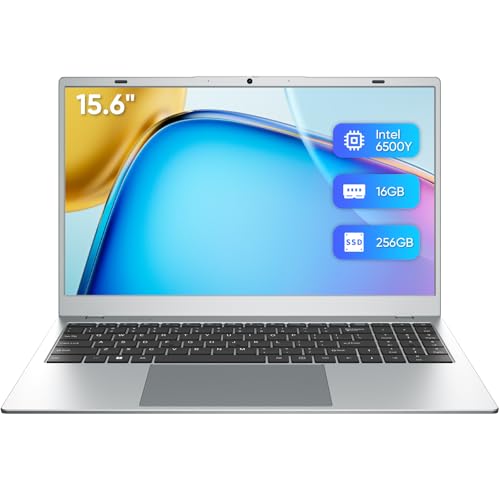
The WIPEMIK P15 emphasizes multitasking headroom with 16 GB RAM and a 6500Y processor, plus a 256 GB SSD for fast boot and project loading times. Its portable chassis and dual-interface connectivity contribute to a practical music production setup on the move. The system’s power comes through with efficient throughput, enabling smoother handling of larger sample libraries and multiple plugin instances during studio sessions away from a dedicated studio computer.
Dell Precision 3620: Entry-Level Music Production Workstation

The Dell Precision 3620 is positioned as a music production workstation at a consumer-friendly price point. It offers a robust 32 GB of RAM, a 512 GB SSD boot drive plus a 2 TB HDD for extensive sample libraries and large project files. This configuration supports multiple tracks, virtual instruments, and effects with reduced latency, while Windows 11 Pro provides enterprise-grade stability for studio work.
EYY 2-in-1 Laptop: Versatile Touchscreen Power

The EYY 2-in-1 combines a 16:10 touchscreen with 16 GB RAM and a 512 GB SSD, offering flexibility for laptop and tablet modes. The 12th Gen Alder Lake N100 processor delivers decent multitasking performance, while the detachable keyboard supports on-stage or on-location studio setup. This model suits users who value creative workflow flexibility alongside reliable DAW operation for music production on the go.
Buying Guide: Key Purchase Considerations For Music Production Laptops
- CPU and RAM: Music production benefits from multi-core performance and ample memory. Target at least 16 GB RAM for larger projects and consider CPUs with strong single-thread performance for real-time effects.
- Storage: An SSD is essential for fast project load times and sample library access. A 512 GB SSD is a good baseline; 1 TB is preferable if you work with extensive libraries.
- Audio Compatibility: Look for laptops with stable driver support for audio interfaces and low-latency performance. Some models include privacy and security features that can bolster studio setups in shared spaces.
- Display and Portability: A larger, clear display helps with arranging tracks and plugins, but portability matters for travel. A 14–15.6 inch screen is a common sweet spot.
- Thermals and Build: Efficient cooling reduces throttling during longer sessions. A sturdy chassis helps when transporting gear and peripherals.
- Connectivity: Sufficient USB ports (preferably USB-C with Power Delivery), HDMI or DisplayPort, and a reliable Wi-Fi module are important for audio interfaces, monitors, and remote sessions.
- Battery Life: For mobile studios, consider battery endurance, especially if you need to work away from power sources for extended periods.
- Software Ecosystem: Ensure compatibility with your DAW and plugins, and verify that the chosen model supports necessary drivers and updates.
- Future-Proofing: If possible, choose a model with upgradable RAM or easily accessible storage to extend the laptop’s lifespan as project demands grow.