Finding a reliable indoor FM antenna can dramatically improve reception on stereo receivers, home theaters, and multi-room systems. This guide reviews five top-performing indoor FM antennas, highlighting compatibility, installation, and signal quality. Each product is selected for strong performance with common brands and easy setup for American households.
| Product | Brand | Top Feature |
|---|---|---|
| Bingfu FM Dipole Antenna 75 Ohm | BINGFU | 75 ohm, universal connector, 10 ft extension |
| CHHLIUT FM Antenna | CHHLIUT | Magnetic base, retractable length, long coax |
| Fancasee Indoor FM Antenna | Fancasee | Plug-n-play, 4.9 ft cable, 75 ohm |
| AEDIKO FM Radio Antenna | AEDIKO | AM/FM combo with 4.9 ft coax |
| ANTOP High Gain Indoor Antenna | ANTOP | Multi-directional, handles AM/FM with booster |
Each option supports common stereo receivers and AV setups, offering simple installation and flexible placement to maximize signal strength in typical American homes. The list emphasizes durable design, broad compatibility, and minimal setup time to help shoppers quickly identify suitable choices for their listening setups.
Bingfu FM Dipole Antenna 75 Ohm

The Bingfu 75 Ohm FM Dipole Antenna is designed for universal compatibility with popular brands, including Yamaha, Pioneer, Onkyo, Sony, and Bose systems. It features a 75-ohm unbalanced interface with an F-type connector and a 3-meter coaxial extension, enabling flexible placement to optimize reception indoors. The set includes multiple adapters for TV and audio inputs for easy integration with existing receivers and AV components.
CHHLIUT FM Antenna – Magnetic Base

This magnetic-base antenna from CHHLIUT emphasizes strong reception with a retractable, 16-foot coaxial cable for flexible placement around a home theater or stereo cabinet. The magnetic base allows stable mounting on metal surfaces, reducing interference and ensuring a steady signal. It is suitable for a range of indoor receivers and aligns well with compact AV setups that want unobtrusive installation.
Fancasee Indoor FM Antenna

The Fancasee indoor FM antenna focuses on improving signal stability for stereo receivers and AV systems. It uses a 4.9-foot coaxial cable and a 75-ohm coaxial connection to deliver clearer FM signals across a range of stations. Its plug-and-play design makes it ideal for users who want quick setup without extra tools or complex configuration.
AEDIKO FM Radio Antenna

The AEDIKO FM Radio Antenna combines FM coax with an AM loop in a compact package. It includes a 4.9-foot coax and dual connectors (F-type for FM, pins for AM). This versatility helps receivers access a broader spectrum of broadcasts while remaining easy to install in tight spaces such as a cabinet, shelf, or desk setup.
ANTOP High Gain Indoor Antenna
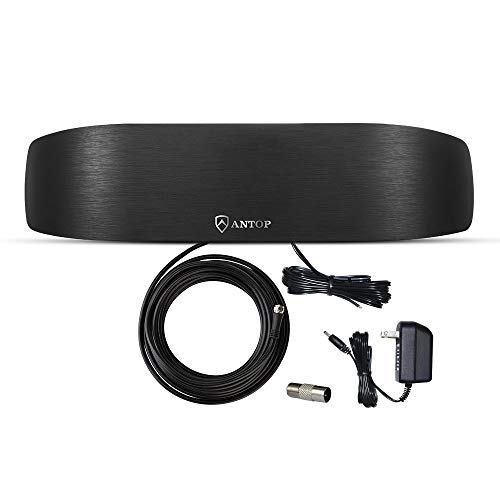
The ANTOP antenna provides multi-directional reception with a built-in signal booster designed for AM/FM signals. It supports a broad broadcast range up to 50 miles and includes connectors compatible with various radios and AV receivers. Aesthetic and slim, it blends into home decor while offering improved signal strength for frequently used stations and channels.
Bingfu Dipole Antenna 300 Ohm
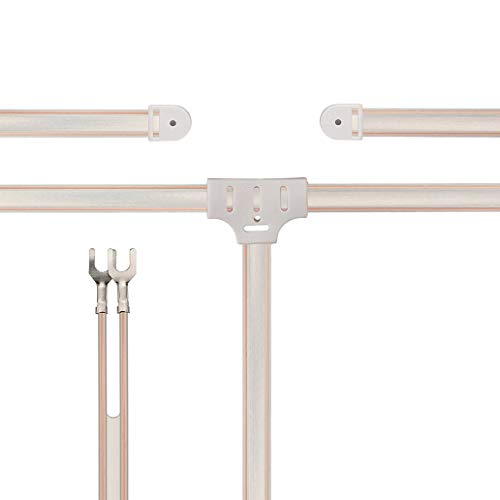
The Bingfu 300 Ohm Dipole is designed for table-top use with 2-pin bare-wire connections. It’s a practical choice for users with older or specific stereo receivers that accept 300-ohm inputs. The simple T-shape design offers straightforward installation in living rooms, studios, or home offices, improving reception for compatible radios and AV systems.
Buying Guide: Key Purchase Considerations
- Signal compatibility: Check your receiver’s input type (75 ohm F-type, 300 ohm, or other) to ensure the antenna matches the port and does not require excessive adapters.
- Placement flexibility: Indoor antennas benefit from high, unobstructed placement or near windows. Magnetic bases or long coax cables help position for best reception.
- Directional vs. multi-directional: If you receive stations from multiple directions, a multi-directional design may yield more consistent results. Directional antennas can boost strong signals from a fixed source.
- Coax length and connectors: Longer cables aid placement but can introduce minor signal loss. Ensure adapters included support your current gear without additional purchases.
- AM/FM compatibility: Some antennas include AM loop options for broader radio access. This is useful if the receiver handles both bands.
- Aesthetics and size: Slim, unobtrusive antennas fit modern living rooms and media centers without drawing attention.
- Durability and ease of setup: Look for plug-and-play designs with clear installation steps, especially for less tech-savvy users.
For optimal results, match the antenna to the receiver’s input specifications, place it away from sources of interference (microwaves, Wi‑Fi routers), and test different orientations. If you have a metal cabinet, a non-magnetic stand may be preferable to avoid signal attenuation. In homes with challenging layouts, combining a robust FM antenna with a high-quality coax run and appropriate adapters often yields the best results.