Finding the right condenser microphone for vocal work can dramatically improve clarity, warmth, and presence in recordings. The following selections emphasize low self-noise, wide frequency responses, and dependable performance across home studios, pods, and live streaming setups. Below, five standout options are examined with key features to help you compare for vocals, podcasts, and music projects.
Choosing the right condenser mic for vocals involves evaluating pickup pattern, sensitivity, noise floor, and ease of use. The table below highlights the featured products to streamline your comparison.
| Product | Brand | Type | Connection | Notes |
|---|---|---|---|---|
| RØDE NT1 5th Gen | Rode | Large-Diaphragm Condenser | XLR & USB | Low self-noise; versatile for many sources |
| FIFINE Studio T669 | FIFINE | USB Condenser | USB | Plug-and-play with included arm and pop filter |
| RØDE NT1 Signature | Rode | Large-Diaphragm Condenser | XLR | Very quiet, classic NT1 sound |
| Audio-Technica AT2020 | Audio-Technica | Cardioid Condenser | XLR | Price-performace standard for home studios |
| AKG Pro Audio P220 | AKG | Large-Diaphragm Condenser | XLR | Solid build with included shock mount |
RØDE NT1 5th Gen Large-Diaphragm Condenser Mic

The RØDE NT1 5th Gen combines the classic warmth of the NT1 with next-generation technology. It offers both XLR and USB outputs, allowing versatile connections to interfaces or direct computer recording. This all-in-one solution supports studio-grade sound in home or professional setups, making it suitable for vocals, voiceovers, guitar, drums, and piano. Its refined low-noise performance and high SPL handling preserve detail across a wide frequency range, delivering a smooth, warm vocal tone ideal for podcasts and music production alike.
Key features include a whisper-quiet operation, a robust cardioid pickup pattern for focused vocal capture, and included accessories that streamline initial setup. This microphone is well-suited for creators who want flexibility without sacrificing sound quality. The USB option makes it accessible for computer-based recording, while the XLR output ensures compatibility with professional interfaces and mixers.
FIFINE Studio Condenser USB Microphone Kit With Boom Arm
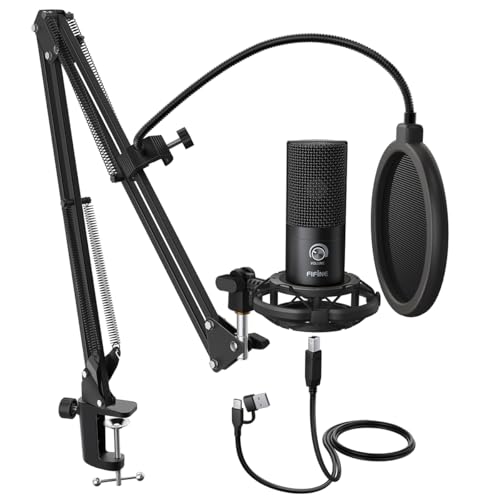
The FIFINE T669 USB microphone kit is a plug-and-play choice for those seeking a simple, reliable setup. It includes an adjustable boom arm stand and a double pop filter to reduce plosives, helping deliver clean vocal recordings for podcasts, voiceovers, and streaming. The cardioid capsule focuses on the front sound source, minimizing ambient noise. While it is USB-only and not compatible with Xbox, it provides excellent ease of use for home studios and creators who want quick results without extra equipment.
With a rugged build and wide frequency response, this mic is well-suited for voice work, streaming, and YouTube content. The included accessories support ergonomic placement and reduce post-production editing time, making it a practical entry point for vocal recordings and content creation.
RØDE NT1 Signature Series Condenser Microphone
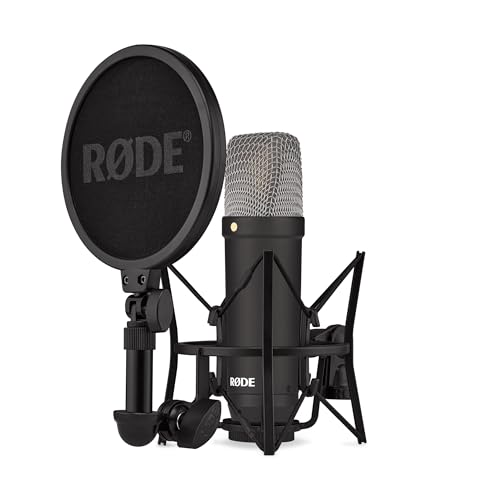
The NT1 Signature Series brings the classic NT1 sound with modern improvements. Featuring a large-diaphragm cardioid capsule, it offers an extremely smooth frequency response and high sensitivity, suitable for vocal tracking, streaming, and broadcast-style applications. Its ultra-low noise floor (4 dBA) makes it one of the quietest studio condensers available, allowing subtle vocal nuances to come through clearly. This mic excels for professionals seeking pristine vocal capture with minimal coloration.
In practice, the NT1 Signature is well-matched to acoustic guitar, piano, and other acoustic sources, but its primary strength remains vocal clarity and warmth. The included XLR cable and shock-mount-ready design support clean, studio-grade results in a variety of environments.
Audio-Technica AT2020 Cardioid Condenser Microphone
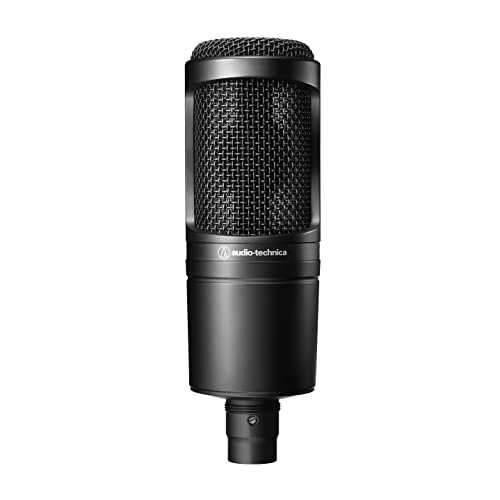
The AT2020 is a staple in home studios for vocal and instrument recording. Its cardioid condenser design balances direct vocal pickup with controlled ambience, enabling clear and full-bodied voice capture across a range of genres. The microphone’s wide dynamic range and high SPL handling provide versatility for both quiet and louder vocal passages, without excessive noise or distortion. It’s widely regarded as a cost-effective option for projects requiring solid performance and dependable results in a home studio environment.
Designed for simple, reliable operation, the AT2020 pairs well with standard audio interfaces and can handle a variety of vocal styles. Its robust build and reliable performance make it a popular choice for beginners and seasoned engineers alike.
MAONO PM320S XLR Condenser Microphone

The PM320S from MAONO provides a solid cardioid condenser solution for vocal work with a focus on studio recording, podcasting, streaming, and voiceover tasks. It requires 48V phantom power and is typically used with an audio interface or mixer. The package highlights a low-noise design, a robust XLR connection, and included accessories to support a clean vocal chain, including a shock mount and pop filter to reduce handling noise and sibilance. This mic is a flexible option for those building a versatile home studio setup with professional-level capture.
In practice, PM320S supports a wide frequency response and good transient response, delivering clear vocal articulation with a balance of warmth and presence. As with all XLR condensers, pairing with a suitable preamp and acoustic treatment will optimize its performance for vocal tracks and voiceover work.
Buying Guide: Key Purchase Considerations For Vocal Recordings
- Connection type: USB mics offer plug-and-play simplicity, great for beginners and quick setups. XLR mics typically provide higher fidelity and expandability when paired with audio interfaces or mixers.
- Polar pattern: Cardioid patterns focus on sound in front of the mic, minimizing room noise. Some models offer multipattern options for more creative control.
- Noise floor: A lower self-noise means crisper vocal detail, especially for quiet passages and voiceovers. Look for specs around 4 dBA or lower in pro-grade mics.
- Frequency response and sensitivity: A smooth response in the vocal range (roughly 80 Hz to 15 kHz) translates to natural voice reproduction with adequate presence and warmth.
- Phantom power and required equipment: XLR mics generally require phantom power via an audio interface or mixer, while USB mics draw power directly from the computer.
- Included accessories: Shock mounts, pop filters, and stands reduce handling and plosive noise, improving the overall vocal recording quality.
- Use case and environment: Home studios benefit from quieter mics and proper acoustic treatment; podcasters and streamers may prioritize ease-of-use and durability.
- Budget and expandability: Consider long-term needs—do you plan to upgrade interfaces, add more mics, or pursue studio-quality music production?
- Durability and build quality: A solidly built microphone withstands daily use and transport, especially for professionals or creators on the move.
All 5 selections provide solid options for vocal work in various setups. When choosing, prioritize the connection type you prefer and assess whether your environment benefits from a lower noise floor, broader frequency range, or easier plug-and-play operation. Pairing the right mic with a suitable preamp, acoustic treatment, and proper gain staging will maximize vocal clarity and reduce edits in post-production.