Car vlogging requires cameras that deliver sharp front and interior views, reliable night recording, and easy sharing on the go. This guide highlights five top car vlogging cameras, chosen for dual or multi-channel recording, wide-angle views, and robust low-light performance. Each option includes a link to Amazon, a quick image, and core features to help you compare at a glance. Read on to discover which model best fits your driving, blogging, or ride-sharing needs.
| Product | Brand | Key Feature |
|---|---|---|
| TERUNSOUl 4K+4K Dash Cam | TERUNSOUl | Front + Rear 4K, GPS, 170°, 128GB card included |
| ROVE R2-4K DUAL Dash Cam | ROVE | Front 4K + Rear 1080P, 5G WiFi, STARVIS |
| REDTIGER 4K Dash Cam Front Rear | REDTIGER | 4K + 1080P, 5.8GHz WiFi, STARVIS 2 |
| IIWEY N5 4 Channel Dash Cam | IIWEY | 360° coverage, 5G WiFi, no GPS |
| SUVCON Dash Cam Front Inside Rear | SUVCON | Triple channel, IPS screen, 32GB card included |
TERUNSOUl 4K+4K Dash Cam Front and Rear
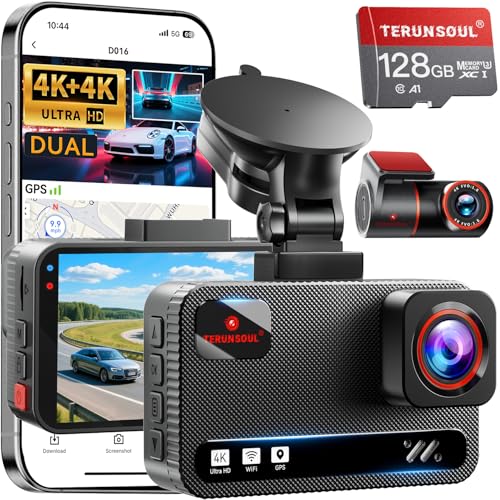
The Terunsoul dual-channel dash cam records in Ultra HD 4K on both the front and rear cameras, capturing precise details on busy highways and in traffic. A 170° front lens broadens road coverage, while the included 128GB card supports immediate recording. The device supports memory expansion up to 512GB, enabling longer sessions. After-event playback is aided by Loop Recording and a G-Sensor that locks emergency footage to prevent overwriting. Night performance benefits from super starry night vision, aided by F1.5 and F1.8 apertures for front and rear lenses, respectively, making it useful for evidence in low-light conditions.
Key features include:
- Dual 4K recording with wide coverage
- Pre-installed 128GB memory card; supports up to 512GB
- Loop recording and G-Sensor emergency lock
- Super Starlight Night Vision with large-aperture lenses
Meiqils 1080P Dual Dash Camera Front Inside

The Meiqils dual dash cam focuses on front and interior capture with a 1080P front camera and a separate interior view. This setup is useful for documenting cab interior scenarios whether you’re recording rideshare activity or personal driving sessions. A straightforward installation process via windshield mount and car power supply is designed for quick setup. The built-in G-Sensor locks videos when a sudden shake or collision is detected, ensuring key moments are preserved even if the SD card fills up.
Notable attributes:
- 1080P forward and interior recording
- G-Sensor-triggered emergency lock
- Simple install with vehicle power supply
SUVCON Dash Cam Front, Rear, Inside

The SUVCON offers a triple-channel setup, covering the front, rear, and interior cabin with a 170° wide front camera and 150° interior camera. The IPS screen delivers clear playback from multiple angles, and the included 32GB card provides an immediate start. Loop recording ensures continuous footage, with the G-Sensor adding automated emergency locking. The three-camera configuration reduces blind spots, making it a compelling option for comprehensive road and cabin recording in ridesharing or family trips.
Important points include:
- Three-channel coverage (front, cabin, rear)
- IPS display for clear multi-angle viewing
- Included 32GB card; loop recording and G-Sensor
IIWEY N5 4 Channel Dash Cam

The IIWEY N5 provides four-channel coverage with a 3″ IPS screen and a strong emphasis on 360° recording including front, rear, and interior views. The device supports a 2.5K+1080P+1080P+1080P configuration for versatile recording modes and features 170° front plus 150° side cameras for a broad field of view. It connects to a cellphone via built-in WiFi and is powered by a car charger or hardwire kit, as the device uses a super-capacitor design rather than a traditional battery. A free 128GB SD card is included for immediate use, though the rear camera must be wired to the front unit for operation.
Key considerations:
- 4-channel recording with 360° coverage
- WiFi connectivity; no GPS or OBD
- Included 128GB card; requires power from vehicle
REDTIGER 4K Dash Cam Front Rear

REDTIGER F7NP records in 4K front and 1080P rear, pairing a STARVIS 2 sensor with a 170° front and 140° rear wide-angle lens for broad visibility and clear night performance. The dash cam uses WDR and HDR to balance highlights and shadows and supports built-in 5.8GHz WiFi for fast video transfers to a connected device. GPS support helps log routes and speeds, creating a robust evidentiary record for daytime and nighttime drives. The package often includes a memory card to get users started, with parking mode plus 24-hour recording capabilities.
Pivotal features include:
- 4K front and 1080P rear with STARVIS 2
- 5.8GHz WiFi for fast transfers
- GPS, WDR HDR, and parking mode
W & O Vlogging Camera With Rotating Lens
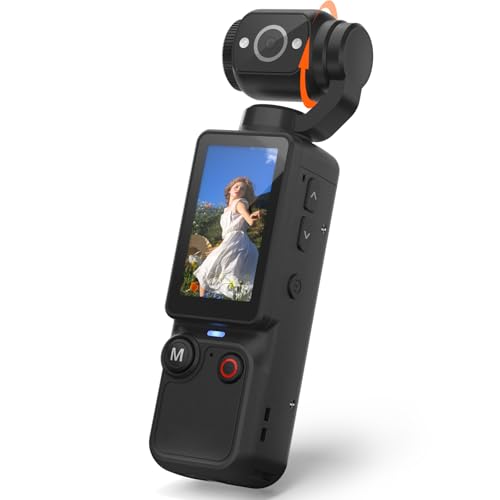
The W & O handheld camera is compact and pocket-friendly, designed for on-the-fly vlogging rather than vehicle mounting. It offers a 180° rotating lens for flexible framing and long battery life around 7 hours of continuous recording. It includes a 32GB card and offers simple one-button recording, making it accessible to beginners who want a light, portable vlogging option for travel and daily life. While not a traditional car dash cam, it complements a car vlogging setup for interior shots or roadside segments from a passenger seat or walking footage.
Highlights:
- Pocket-sized design for portability
- 7-hour battery life; 32GB included
- One-button recording for ease of use
Buying Guide: Key Purchase Considerations
When selecting a car vlogging camera, consider video quality, coverage, storage, and connectivity. A dual- or triple-channel system provides front, rear, and interior views, which is valuable for rideshare and safety documentation. Look for 4K front recording for high-detail footage, and ensure the device supports a memory card large enough to prevent frequent overwrites. GPS adds route data, while G-Sensor features protect important clips after a collision. Night vision, aperture sizes, and WDR/HDR processing improve visibility in challenging lighting. WiFi or app compatibility allows quick sharing and remote monitoring. Finally, assess power options: built-in batteries versus constant power via car charger or hardwire kit, especially for long shooting sessions.
Other perspectives to weigh:
- System complexity: Do you need multi-camera management or a simpler two-camera setup?
- Storage strategy: How many hours of footage do you expect to keep before overwriting?
- Installation practicality: Windshield mounting versus interior mounting requires different vibration resistance.
- Video format compatibility: Ensure the produced files are easy to edit and share on your preferred platforms.
- Device durability and heat management: Dash cams should operate reliably in varying temperatures and long sessions.