Choosing the best birding lens for Canon cameras is essential for capturing the intricate details of birds at varying distances. Lenses with telephoto capabilities and image stabilization enrich wildlife photography, delivering sharp and vivid images. Below is a comparison table showcasing selected Canon birding lenses and kits ideal for passionate birders.
| Product | Brand | Focal Range | Key Features |
|---|---|---|---|
| Canon RF100-400mm F5.6-8 IS USM | Canon | 100-400mm | Lightweight, Optical Image Stabilizer, Up to 6 Stops Shake Correction with IBIS |
| Sigma 150-600mm 5-6.3 DG OS HSM | Sigma | 150-600mm | Water & Oil Repellent Coating, Compact Design, 95mm Filter Size |
| Canon EF 75-300mm f/4-5.6 III Zoom | Canon | 75-300mm | Smooth Zooming, Telephoto Range, Lightweight |
| Canon EOS Rebel T7 DSLR Kit | Canon | 18-55mm & 75-300mm | 24.1MP APS-C Sensor, Eye Detection AF, Wi-Fi NFC Connectivity |
| Canon RF50mm F1.8 STM Lens | Canon | 50mm Fixed | Large Aperture, Compact, Quiet AF Motor |
Canon RF100-400mm F5.6-8 IS USM Telephoto Zoom Lens

The Canon RF100-400mm F5.6-8 IS USM lens is an excellent choice for birders who want a strong zoom range in a lightweight and compact design. Covering 100-400mm, it allows close-in shots of distant birds with sharp detail. Its Optical Image Stabilizer provides up to 5.5 stops of shake correction, reducing blur during handheld shots. Paired with EOS R series cameras equipped with In-Body Image Stabilizer (IBIS), it delivers up to 6 stops of stabilization, ensuring crisp photos even at longer focal lengths.
Sigma 150-600mm f/5-6.3 Contemporary DG OS HSM Lens

This Sigma 150-600mm Contemporary lens enhances reach for bird photography with a broad telephoto range. Its lightweight and compact construction make it manageable for extended use outdoors. The front glass element features a water and oil repellent coating, facilitating easy maintenance and clear views even in wet or dusty conditions. Its 95mm filter size accommodates various lens filters, making it very adaptable for different lighting and shooting scenarios.
Canon EF 75-300mm f/4-5.6 III Telephoto Zoom Lens

The Canon EF 75-300mm f/4-5.6 III lens is a versatile telephoto zoom option suitable for Canon SLR cameras. Its improved zoom mechanism offers smoother operation during framing. The lens maintains a balanced size at just under 5 inches in length and weighs 16.8 ounces, making it portable for wildlife excursions. Although it lacks advanced image stabilization, it offers a solid zoom range perfect for distant bird subjects.
Canon EOS Rebel T7 DSLR Camera 2 Lens Kit
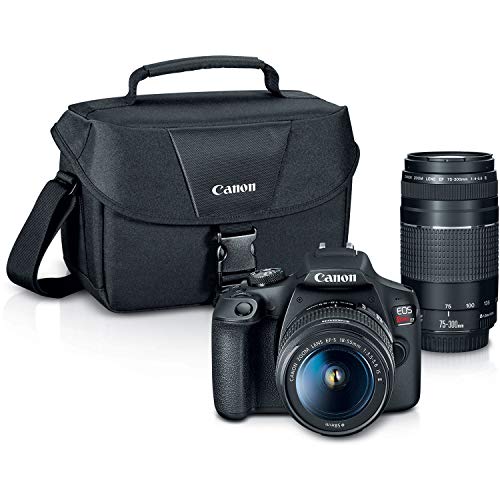
This Canon EOS Rebel T7 DSLR kit provides a practical beginner setup, combining the camera body with two lenses: an 18-55mm and a 75-300mm telephoto zoom. The sensor offers 24.1 megapixels with excellent autofocus including eye detection for clear bird portraits. Built-in Wi-Fi and NFC allow easy photo sharing. This kit suits those starting bird photography wanting flexibility without multiple purchases.
Canon RF50mm F1.8 STM Prime Lens for EOS R

The Canon RF50mm F1.8 STM is a compact prime lens delivering bright f/1.8 aperture for low-light and creative depth of field effects. While its 50mm focal length is shorter compared to telephoto lenses, it excels in capturing bird close-ups when proximity and lighting conditions permit. The stepping motor ensures smooth and quiet autofocus, ideal for wildlife video or photo shoots without disturbing the subjects.
Buying Guide: Choosing the Best Birding Lens for Canon Cameras
When selecting the perfect birding lens for your Canon camera, keep several important aspects in mind to ensure a suitable fit for your photography style and needs.
Focal Length
Birds are often elusive and at a distance, so lenses with focal lengths starting at 100mm and going up to 600mm are preferred. Longer focal lengths allow detailed shots without disturbing wildlife. Zoom lenses covering wide ranges provide versatility in framing.
Aperture and Low-Light Performance
A larger maximum aperture, such as f/2.8 or f/1.8, allows more light to enter the lens, vital for shooting in dawn or dusk conditions common in birding. However, telephoto zooms with variable apertures (like f/5.6-8) are lighter and more compact, balancing usability and brightness.
Image Stabilization
Bird photography often demands handheld shooting at long focal lengths. Lenses with Optical Image Stabilization (OIS) or when combined with camera In-Body Image Stabilizer (IBIS) deliver sharper images by reducing motion blur.
Lens Weight and Size
Lighter lenses reduce fatigue on long birding trips. Compact designs like the Canon RF100-400mm offer portability without sacrificing zoom range. Consider carrying gear weight depending on how mobile you plan to be.
Compatibility and Autofocus
Ensure your lens is compatible with your Canon camera mount (EF, EF-S, RF). Fast and silent autofocus motors such as STM or HSM improve capturing quick bird movements and reduce noise that might scare subjects.
Additional Features
- Weather Sealing: Helps protect lens from moisture and dust.
- Coatings: Repellent coatings on lens elements ease cleaning and improve image quality.
- Filter Size: For using specialized filters (polarizers, ND filters) important in outdoor photography.
By balancing long reach, brightness, stabilization, and handling, Canon birders can find lenses suited for various environments and expertise levels, maximizing their ability to capture stunning avian images.