Analog guitar pedals bring warm, musical character to your signal with simple, intuitive controls. This guide highlights five highly regarded analog options that can shape everything from shimmering choruses to vintage delays and smooth overdrive. Each pick emphasizes classic circuit design, reliable construction, and tonal versatility for rock, blues, jazz, and pop players. Explore how these pedals interact with your rig, from true bypass signal integrity to robust build quality for road use.
| Product | Brand | Key Feature |
|---|---|---|
| MXR Analog Chorus | MXR | All-analog bucket-brigade circuitry |
| Pogolab Delay Pedal | POGOLAB | Analog delay with adjustable TIME and MIX |
| Donner Chorus Pedal — Tutti Love | Donner | Classic warm jazz chorus tone |
| Caline CP-505 Wave Machine Chorus | Caline | Vintage-inspired analog chorus |
| AKLOT Analog Chorus | AKLOT | Integrated noise reduction and true bypass |
MXR Analog Chorus — Classic Studio-Grade Chorus
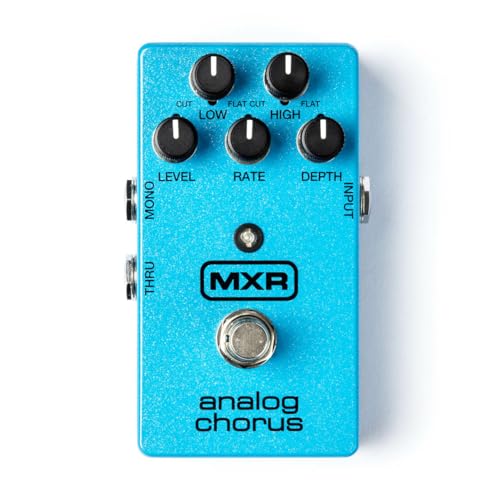
The MXR Analog Chorus uses full analog bucket-brigade circuitry to deliver lush, liquid chorus textures. Its design aims for a classic, musical modulation that sits well in guitar layers without overpowering the core tone. The pedal offers straightforward controls, enabling players to sculpt a broad spectrum of chorus sounds—from subtle widening to pronounced, immersive modulations. Its rugged build and reliable performance make it a staple for players seeking a timeless chorus voice with minimal signal coloration beyond the effect itself.
Pogolab Delay Pedal — Analog Delay With Warmth

The Pogolab Delay Pedal emphasizes warm, natural analog delay characteristics. A TIME control adjusts the repetition duration, while the MIX control balances wet and dry signals for subtle slapback to pronounced echoes. Its solid aluminum alloy chassis and an indicator light provide visual feedback of operation. This pedal suits players seeking a classic, vintage-inspired echo with simple, hands-on control and dependable build for live gigs or studio sessions.
Donner Delay Pedal — Vintage Feel, Modern Practicality

The Donner Delay Pedal reproduces warm, natural vintage analog delay with flexible control. Delay time ranges from short slapback to longer echoes, with adjustable delay level and feedback for texture and repetition control. The aluminum-alloy case offers durability alongside a compact footprint ideal for pedalboards. This pedal is well-suited for players seeking a classic analog echo with practical adjustable range and robust construction.
Donner Chorus Pedal — Tutti Love Analog Chorus

The Donner Tutti Love Chorus reproduces a classic warm jazz chorus tone with a natural waveform and a user-friendly layout. With extra LEVEL alongside the standard DEPTH and RATE controls, players gain more tonal flexibility for shaping chorus response. The aluminum-alloy construction emphasizes durability for gigging players who want a reliable, characterful chorus without complexity.
Caline CP-505 Wave Machine Chorus — Vintage Vibe

Caline’s CP-505 Wave Machine Chorus draws on classic analog circuits to deliver a rich, expansive chorus. The pedal provides LEVEL, DEPTH, and RATE controls, enabling broad tonal sculpting from subtle shimmer to deep, warping modulation. The true bypass aluminum casing ensures signal integrity when the effect is off, and its compact form makes it a versatile choice for diverse pedalboards seeking a timeless chorus voice.
AKLOT Analog Chorus — Quiet, True Bypass

AKLOT’s Analog Chorus emphasizes integrated noise reduction for a cleaner signal, along with true bypass switching to preserve tone when the effect is disengaged. Rate and Depth controls allow precise shaping of the modulation, while the aluminum alloy body contributes durability for transport and live use. Players seeking a quiet yet expressive analog chorus with dependable performance can benefit from this design.
Buying Guide: Key Considerations For Analog Guitar Pedals
- Type of modulation: Chorus, delay, and vibrato each offer distinct flavors. Chorus adds width and movement; analog delay provides echo with warmth; delays and choruses can be stacked for lush textures.
- Analog vs digital: Analog circuits typically deliver warmer, more musical modulation with subtle saturation. Digital pedals can offer precise timers and presets but may lack the organic feel of analog designs.
- Controls and usability: Look for intuitive controls (level, depth, rate, time, mix) and a layout that matches your playing style. Thresholds like “true bypass” help preserve your tone when the pedal is off.
- Build quality: Aluminum or metal enclosures resist gigging wear. A solid switch and reliable jacks reduce failure risk in live environments.
- Signal integrity: True bypass and quality wiring minimize tone loss. Consider the pedal’s effect on your core signal when engaged and bypassed.
- Form factor: Pedals should fit your pedalboard. Mini and compact designs save space, while larger units may offer more robust controls and durability.
- Power requirements: Most analog pedals operate on 9V DC. Check polarity, current draw, and compatibility with daisy-chaining or isolated power supplies to avoid hum and noise.
- Noise performance: Integrated noise reduction or careful circuit design helps prevent hiss, especially in high-gain contexts or layered effects.
- Maintenance and repairs: Availability of parts, warranty terms, and ease of servicing can impact long-term use, especially for older or boutique designs.
Choosing the right analog pedals depends on your genre, rig, and playing style. For lush modulation and strong classic tones, a warm analog chorus paired with a natural-sounding delay creates a wide, musical landscape. If you prioritize compact setups or on-the-go experimentation, compact chorus and delay pedals with sturdy builds offer practical flexibility. In studio settings or live stages, durable enclosures and clear signal paths help preserve tone during performances. Always audition pedals with your guitar and amp to gauge how modulation interacts with your core tone and dynamics.